
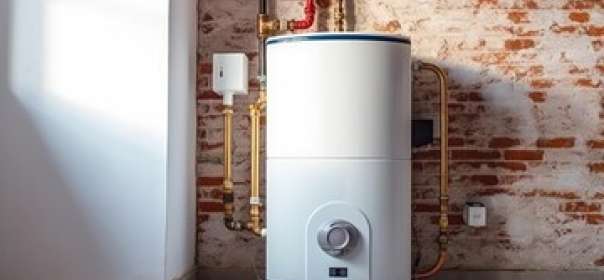
Water Heater Replacement Starts With Understanding Your System
For many homeowners, the water heater is a behind-the-scenes essential appliance, quietly delivering daily comfort and uninterrupted hot water throughout the home. From morning showers to evening dishwashing, reliable hot water is essential to the rhythm of a well-run home. Yet, because water heaters are typically tucked away in basements, utility rooms, or garages, they are often overlooked until something goes wrong.
Knowing when to plan for a water heater replacement, rather than reacting to an emergency, helps you protect your home, your comfort, and your investment. Keep reading to identify the key indicators that it may be time to replace your water heater, along with the role proactive water heater maintenance plays in extending system life.
Understanding the Lifespan of Your Water Heater
Every water heater has a finite lifespan, and understanding that timeline is the first step in smart homeownership.
Most traditional tank-style water heaters last approximately 8 to 12 years, depending on usage, water quality, and maintenance history. Tankless water heaters, while a larger upfront investment, can last up to 20 years when properly maintained.
If your system is approaching or exceeding these benchmarks, it is wise to begin planning for a water heater replacement even if it appears to be functioning normally. Aging systems are more prone to sudden failures, leaks, and inefficiencies, all of which can lead to costly repairs or water damage.
A planned replacement allows you to select the right system for your home, optimize energy efficiency, and schedule installation on your terms rather than during an urgent situation.
Visible Signs of Wear and Tear
Physical deterioration is often one of the clearest indicators that a water heater is nearing the end of its service life. Homeowners should watch for:
- Rust or corrosion on the tank, fittings, or surrounding pipes
- Moisture or pooling water around the base of the unit
- Discolored or rusty hot water coming from faucets
Rust typically signals internal tank corrosion, which cannot be reversed. Once corrosion is present, the risk of tank failure increases significantly. At this stage, replacement is usually more cost-effective and safer than attempting repairs.
For homes in Maryland and Connecticut, where seasonal temperature changes and varying water conditions can accelerate wear, these signs should never be ignored.
Unusual Noises and Sediment Buildup
A properly functioning water heater should operate quietly. If you begin to hear banging, popping, or rumbling noises, sediment buildup is often the culprit. Over time, minerals in the water settle at the bottom of the tank. As sediment hardens, it forces the system to work harder to heat water, reducing efficiency and increasing wear on internal components.
While routine water heater maintenance, such as tank flushing, can help mitigate sediment issues, excessive noise in an older unit often signals that replacement may be the smarter long-term solution.
Inconsistent Hot Water Performance
Changes in performance are another strong indicator that your water heater may be failing. Common issues include:
- Hot water running out more quickly than usual
- Fluctuating water temperatures
- Difficulty maintaining consistent heat
These problems may initially seem minor, but they often worsen over time. If performance issues are recurring or increasingly disruptive, it is worth having the system evaluated by a professional.
In many cases, continuing to repair an older water heater costs more over time than replacing it with a newer, more efficient model.
Rising Energy Bills Without Explanation
An aging or failing water heater often becomes less efficient, even if it continues to operate. If you notice a steady increase in energy bills without a corresponding increase in household usage, your water heater may be working harder than necessary to deliver the same level of performance.
New water heaters are designed with efficiency in mind, offering improved insulation, advanced controls, and higher energy ratings. A water heater replacement can not only restore comfort but also reduce long-term operating costs, an important consideration for homeowners who value performance and sustainability.
The Role of Regular Water Heater Maintenance
Routine water heater maintenance helps your system last longer and allows potential problems to be identified before they become costly repairs. Professional maintenance typically includes:
- Flushing the tank to remove sediment
- Inspecting and replacing the anode rod as needed
- Checking for leaks, corrosion, or pressure issues
- Verifying safe and efficient operation
Annual maintenance is especially important in regions with mineral-rich water or seasonal temperature extremes.
When to Consult a Professional
If your water heater is over 10 years old and showing multiple signs of wear, such as noise, corrosion, or inconsistent performance, it is time to consult a trusted professional.
An experienced technician can evaluate your system, discuss repair versus replacement options, and help you choose a solution that aligns with your home, lifestyle, and long-term goals. For homeowners who value craftsmanship, reliability, and comprehensive service, professional guidance ensures that every recommendation is made with care, integrity, and your best interests in mind.
Planning Ahead Protects Your Home
Water heater replacement is not simply about upgrading equipment—it is about protecting your home’s comfort, efficiency, and peace of mind. Proactive planning allows you to avoid emergencies, preserve your property, and invest confidently in systems designed to serve you well for years to come.
By staying aware of performance changes, committing to regular water heater maintenance, and partnering with the trusted experts at Werrlein Companies, you can make informed decisions that protect the quality of your home. Contact Werrlein Companies today to schedule a professional evaluation.

